
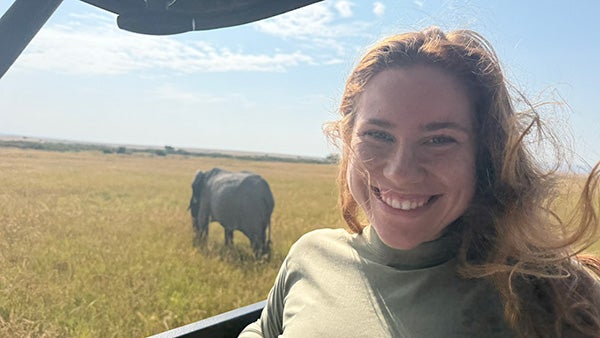
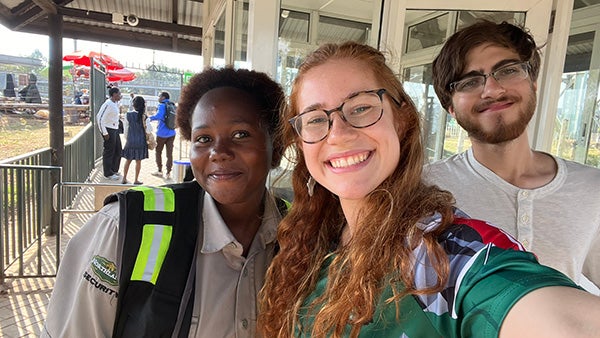
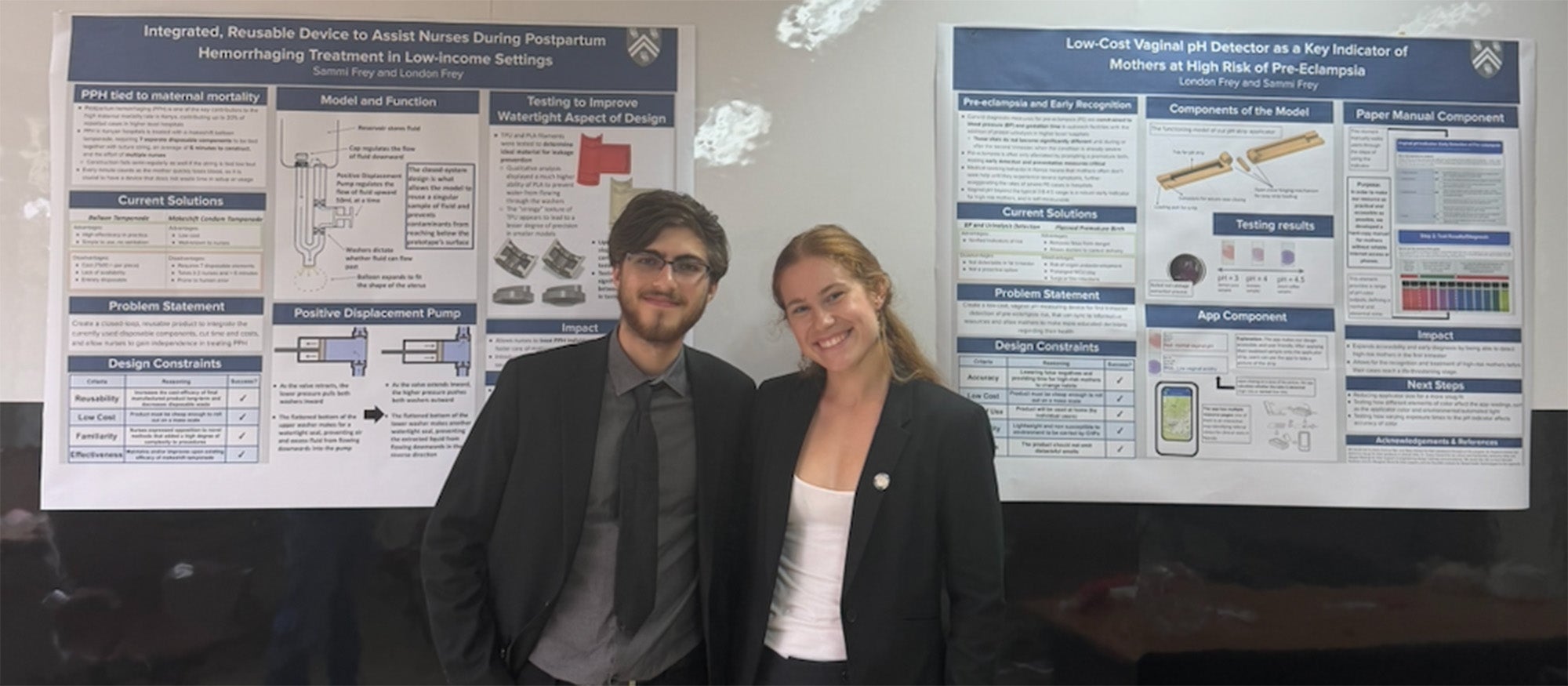
If you had told me I would spend a summer as a biomedical engineer developing maternal health devices, I would’ve had a hard time believing you. I would have believed you even less if you said that in just two months, I would learn basic conversational Swahili, visit one of the most incredible national parks on the African continent, and make lifelong Kenyan friends. Yet through the Rice360 Global Health Technologies Institute, I traveled to Kenya for one of the best and most transformative summers of my life.
Although I am entering my fourth year as a social policy analyst student, I have spent much of my time at Rice exploring beyond my field of study. My lifelong love of the Spanish language led me to collect a minor in Spanish and spend a summer on Mexico’s Yucatan Peninsula investigating tourism’s effects on the environment and indigenous communities. My interest and passion for the environment and combating climate change led me to take Climate Change and Extreme Weather with Dr. Sylvia Dee, which then led to minors in Ecology/Evolutionary Biology and Environmental Studies. Through my diverse studies, I have been able to take classes spanning from Animal Diversity (where I learned the entire phylogenetic tree of ecdysozoans) to Justice in the Food System (where I conducted an investigative journalism piece on Rice’s composting system). As someone who ultimately wants to bridge the gap between researchers and policymakers and build scientifically informed and effective environmental policy, I believe learning outside of your field of study is crucial in breaking down career field walls.
This summer allowed me to put this ideology into practice, an action I never would have undertaken without Rice’s assistance. Before leaving for Nairobi, the Rice360 team gave my project partner, London, and me four tasks: improve two existing devices developed by Rice360 researchers, and design new devices to address two conceptual problems. Following Einstein’s philosophy, we spent our time investigating these problems thoroughly. With a full understanding of why these issues were so prevalent, we could target the root causes as opposed to only the symptoms. We conducted background research, spoke with medical professionals, and also shadowed nurses across the Kenyan healthcare system.
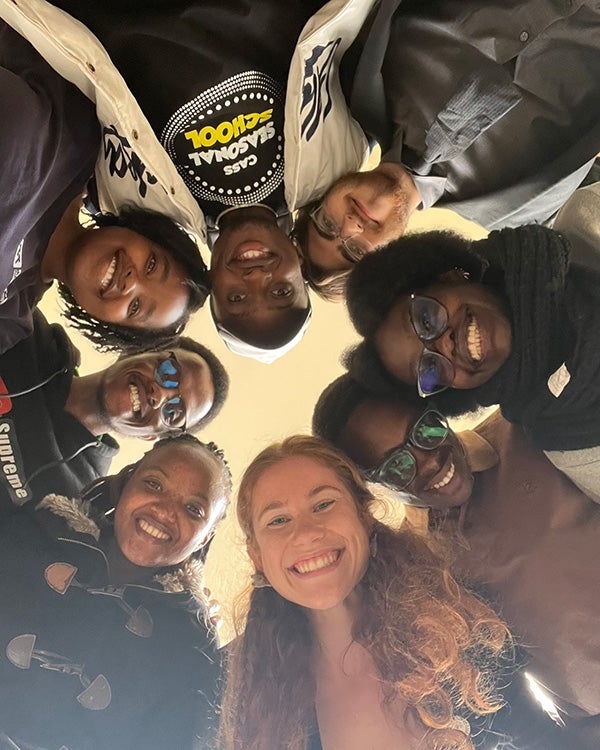
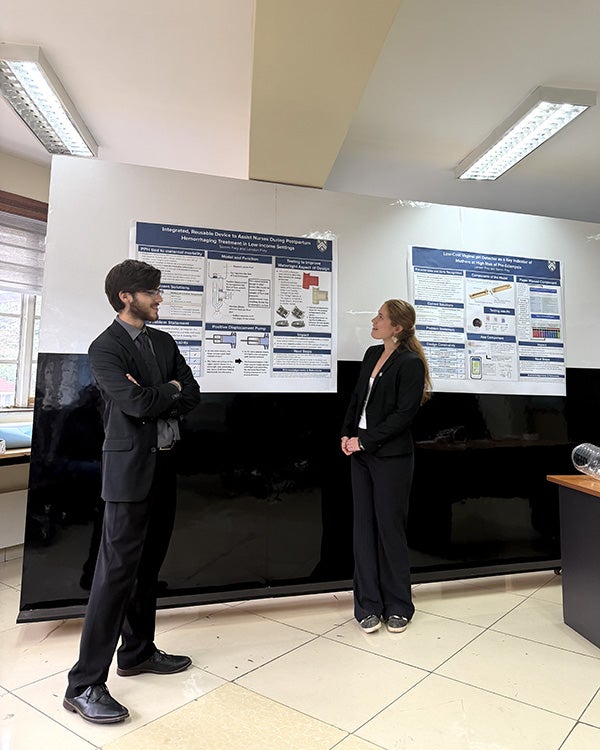
Alongside biomedical engineering students at Kenyatta University, we participated in workshops teaching us basic skills in carpentry, metal cutting, laser printing and welding. Beyond these tangible skills and two device prototypes, I came out of this experience with a profound confidence in myself and my ability to learn. Now, if thrown into an unfamiliar circumstance, I trust that I will be able to figure it out. As I enter my final year at Rice, I realize this is one of the most valuable lessons I could have gained in college.
New students, I encourage you to get involved in things beyond your obvious career path. Find opportunities that make you uncomfortable, give you the chance to grow and try to say yes to what’s around you. The more you learn, the better equipped you’ll be to change the world!
-Sammi F., Chao ‘27 (Published on 9/1/26)
Keep Exploring
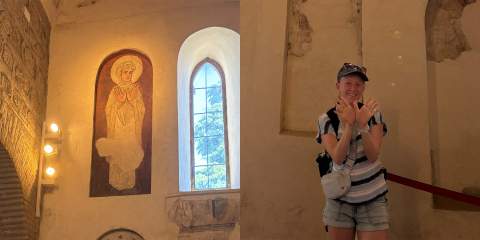
As a Rice University student studying abroad in Madrid, I (Izzy L., Chao ‘29) spent six weeks navigating Spanish immigration law at my internship while exploring the country’s rich history of convivencia. This experience cultivated a deep sense of empathy within me while also providing a sharper critical lens to bring back to campus.
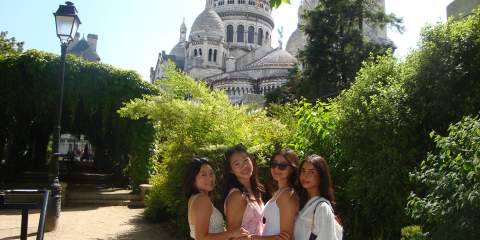
When I (Tamara L., Martel ‘29) was first considering studying abroad, the thought of moving across the globe felt exciting AND intimidating. The Rice in Paris program turned out to be a perfect three-week compromise, providing the support I needed to navigate a new culture while building lasting connections. Here’s how stepping out of my comfort zone changed my perspective on international learning.
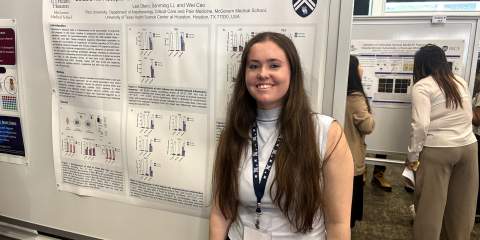
When I (Lexi O., Baker ‘28) was applying to college, I assumed getting involved in medical research was something that would take years to accomplish. But after my first year at Rice, that goal took shape sooner than expected. Here’s how I ended up working in an Alzheimer’s research lab in the Med Center.
Helpful Links
713-348-7423
admission@rice.edu
M-F 8:30 a.m. to 5 p.m. CT