
What first drew me to Rice University was interdisciplinarity. I wanted to connect my interests in science and how people interact with the world, which led me to pursue Human Factors and Ergonomics.
Human Factors and Ergonomics is about designing things that work for people, from apps and websites to workplaces and safety-critical systems. Take a spacecraft — while mechanical systems are vital, it’s just as important to ensure the design supports the people using it. Can the astronauts reach important controls? Does the layout support living and working in a confined space? Even the most advanced technology is only effective if it is safe, intuitive and designed for the people who use it.
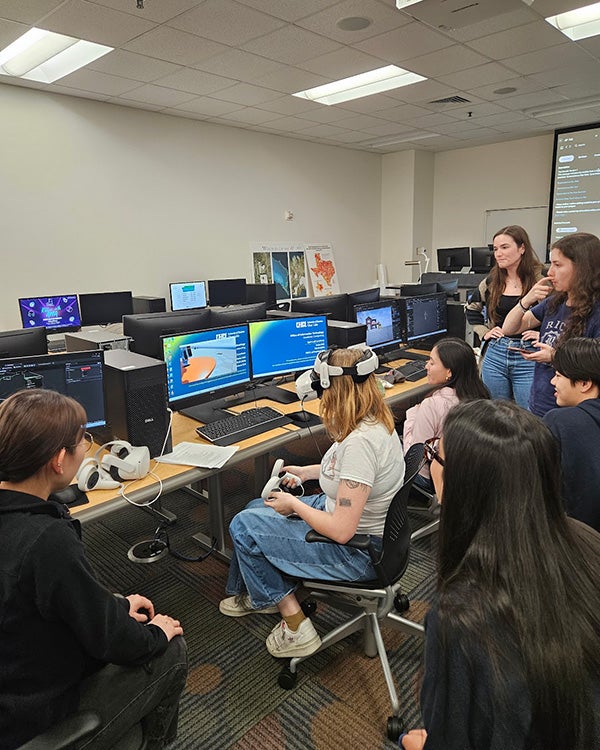
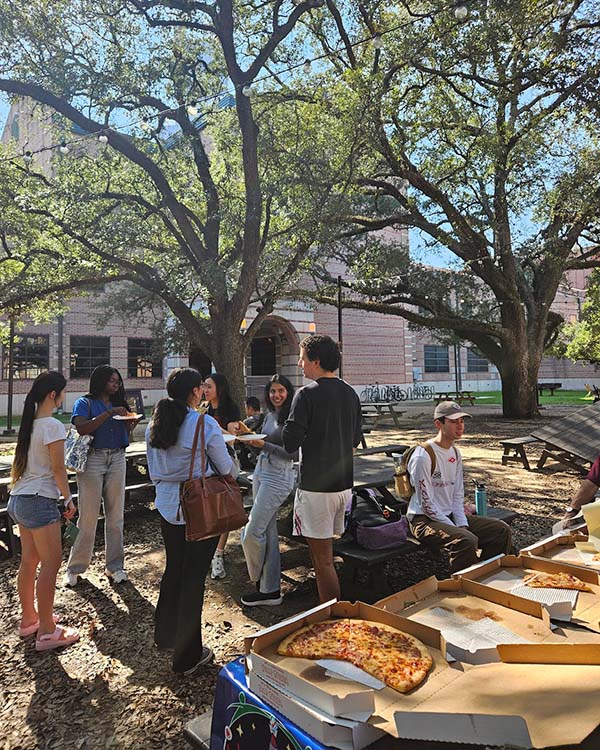
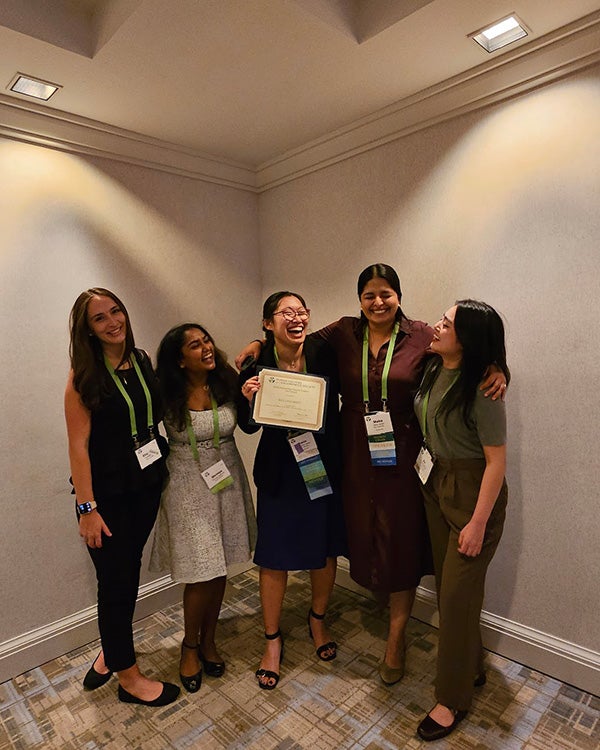
At Rice, I can experience these ideas come to life through the Rice Human Factors and Ergonomics Society (HFES). This student-led organization, open to both undergraduate and graduate students, creates a hands-on, collaborative space where people, design and technology intersect. I first got involved in HFES after hearing about it from other students, and I quickly discovered a welcoming community of like-minded peers and professionals.
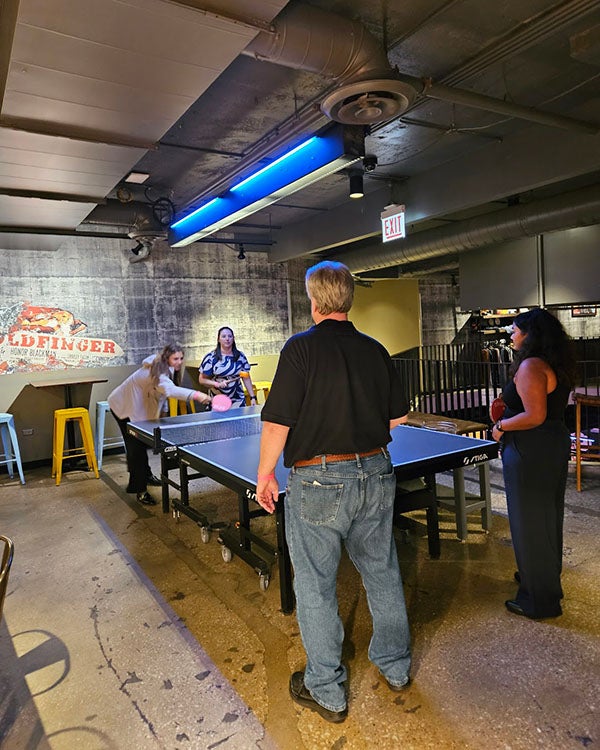
For new students, I found that getting involved is easy. It did not matter whether I had experience or not, just an interest in learning! Students can just show up to a meeting, attend an event or visit our website to learn more. To help students connect with their peers and professionals in the field, HFES hosts guest speaker events, workshops and social gatherings. We also visit places like NASA and the Houston Methodist Institute for Technology, Innovation, and Education (MITIE) to see human-centered design in the real world.
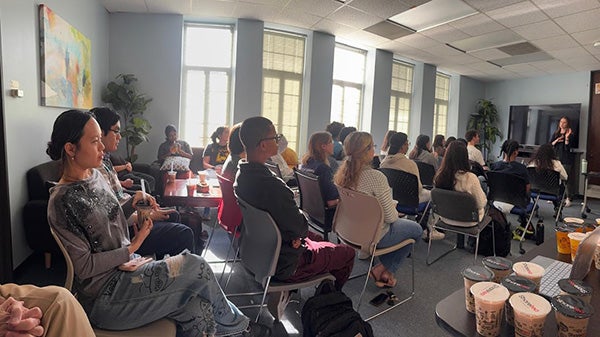
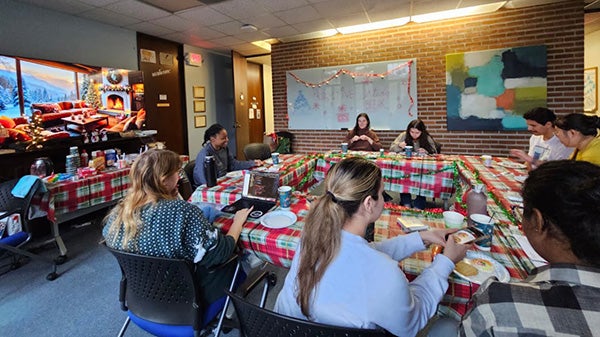
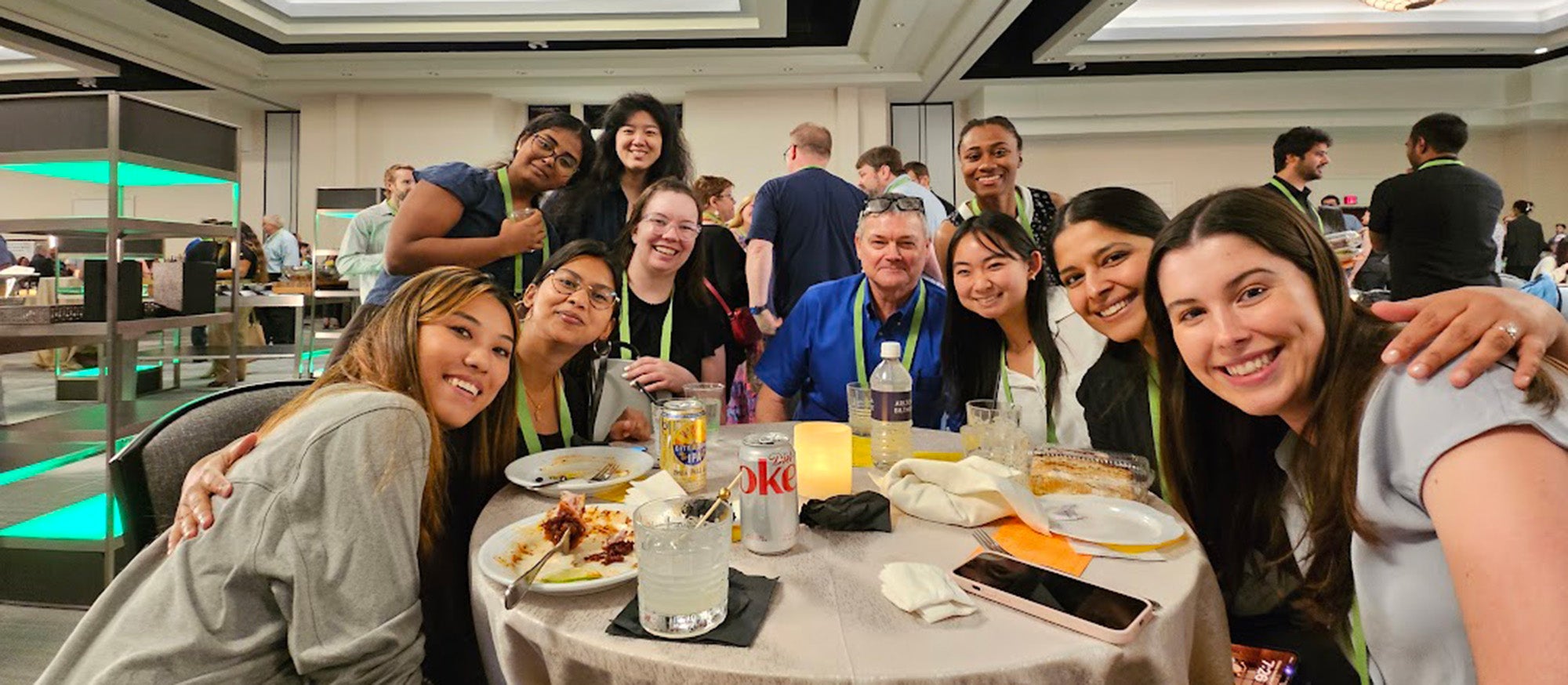
But the best part of the chapter is the people! Since everyone comes from different academic backgrounds, the conversations are interesting and creative. I really appreciate how HFES is a space to explore interests, learn from others and see how different fields connect. This group has added a deeper meaning to my Rice experience, showing me how interdisciplinary thinking shapes the way we design and understand the world around us.
-Maha, PhD Student in the Human Factors and Human-Computer Interaction program (Published on 4/28/26)
Keep Exploring
Representing Rice on a national stage is always amazing, but heading to the SASE National Conference in Seattle felt extra special because it marked a huge milestone five years in the making! As Internal Vice President of Rice SASE, I (Gayla G., Sid Richardson ‘29) had a front-row seat as our chapter connected classroom theory with real-world engineering in real time. Here’s a look inside our experience and the community we are building on campus.

As a Rice University student studying abroad in Madrid, I (Izzy L., Chao ‘29) spent six weeks navigating Spanish immigration law at my internship while exploring the country’s rich history of convivencia. This experience cultivated a deep sense of empathy within me while also providing a sharper critical lens to bring back to campus.
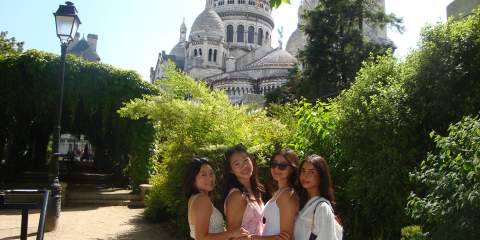
When I (Tamara L., Martel ‘29) was first considering studying abroad, the thought of moving across the globe felt exciting AND intimidating. The Rice in Paris program turned out to be a perfect three-week compromise, providing the support I needed to navigate a new culture while building lasting connections. Here’s how stepping out of my comfort zone changed my perspective on international learning.
Helpful Links
713-348-7423
admission@rice.edu
M-F 8:30 a.m. to 5 p.m. CT