
I always knew I wanted to study abroad. But as an engineering major, this can be challenging due to the demanding course load. When I visited Rice for Owl Days, I heard about the International Study Experience in Engineering Design (iSEED) program and knew I wanted to make this vision a reality.
This past summer, I spent five weeks studying engineering in Tokyo. The program allowed me to pursue my passion for travel while exploring new engineering design techniques. I completed three classes, Introduction to Design and Innovation, Engineering Design Studio, and Introduction to Practical Electrical Engineering, all of which contributed to my minor in engineering design. Our group of nine Rice students approached the experience with open minds and a willingness to try new things. The morning after we arrived, we woke up early to visit the Senso-ji Buddhist Temple and the Tokyo Skytree before the start of class.
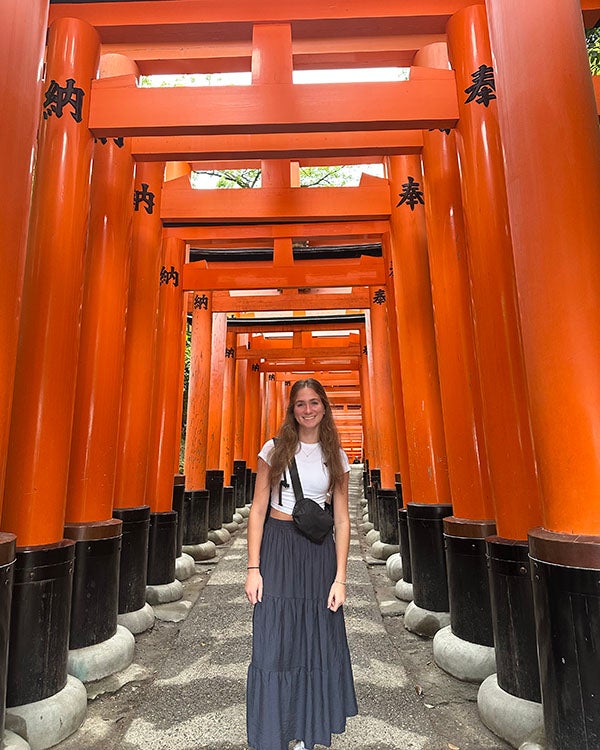
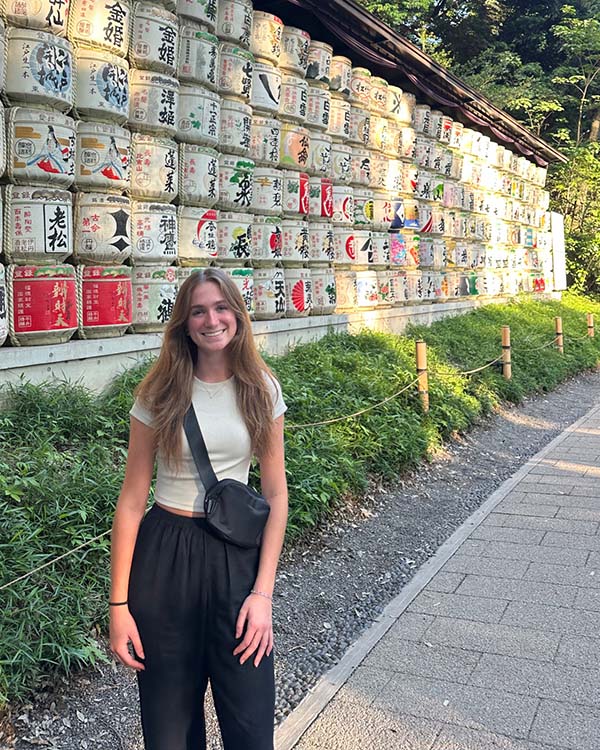
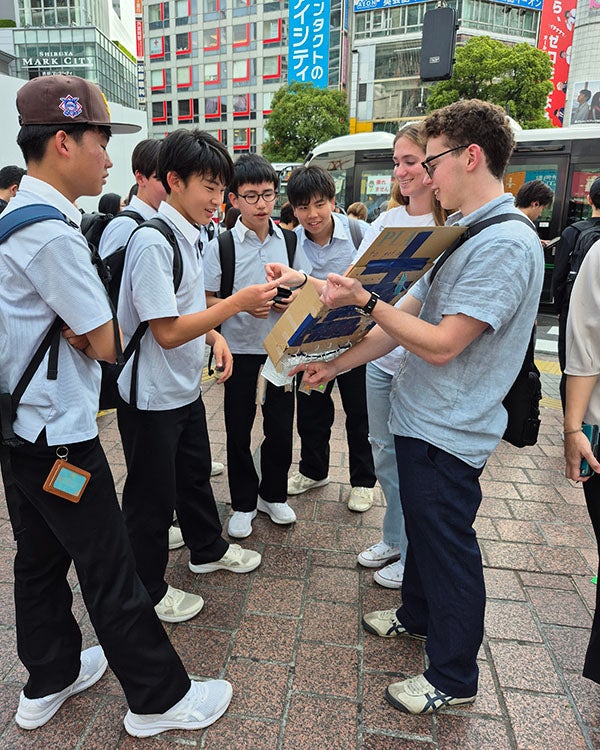
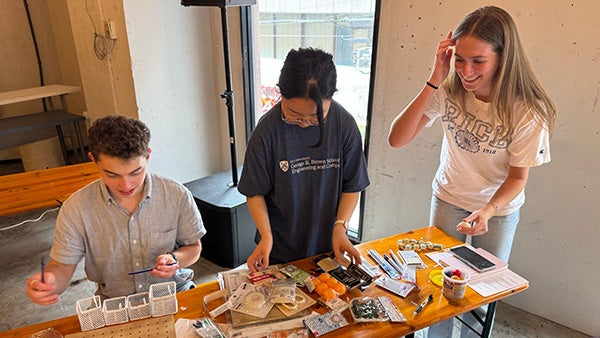
My first course with Rice professor Hesam Panahi exceeded my expectations. On the second day, we went into the city for a “noticing hunt.” Working in small groups across five different locations, we took intentional time to observe Tokyo's unique design choices and how the city operates. A major highlight occurred later that week — after a student expressed a desire to interact with locals, we headed to Shibuya Crossing (the world's busiest pedestrian crossing) to test devices we had rapidly prototyped. We were pushed out of our comfort zones as we walked up to strangers and asked them to test our devices we had only spent 45 minutes building. Although we were hesitant at first, we learned how vital it is to interact with users and get feedback, even at an early stage of development.
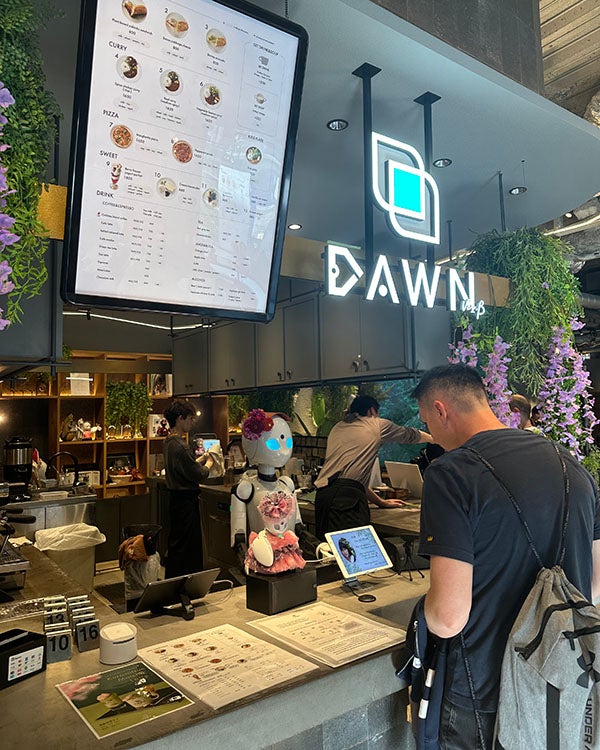
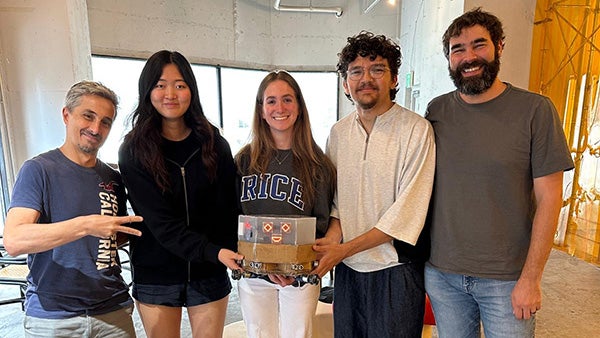
For the last three weeks of the program, our professors, Roberto Dugnani and Ricardo Zednik, challenged us to work in small teams to build something that would improve users’ daily lives. Inspired by the robots we had interacted with in cafes and museums, as well as how Tokyo prioritizes accessibility to the elderly or impaired, we decided to create an autonomous robot cart. This device tracks users' 360 degrees and follows them to hold their belongings. Although we originally intended it to hold luggage at the airport, its use could be expanded to help the visually or physically impaired. We got to rapidly prototype and create a functional prototype in just a week, utilizing many sensors we learned about in the prior weeks. We personified our device and named it Cling-E. My teammates Darshon, Katherine and I were very proud of our teamwork, innovative thinking and tangible progress in such a short amount of time.
Not only did we get to explore the city of Tokyo through our classwork, we also went on outings every weekend to make the most of our time in Japan. I visited Kamakura, Enoshima, Kyoto, Osaka, Nikko, Hakone and Nara. I learned so much in and out of the classroom and am so thankful I got to make studying abroad a reality. I will undoubtedly talk about this experience forever!
-Caroline, Will Rice ‘28 (Published on 12/16/2025)
Keep Exploring
When I (Veronica Z., Will Rice ‘29) arrived at Rice as a Political Science and History student on a pre-law track, I expected a traditional path: student organizations, research and campus debates. However, taking a sociology course unexpectedly led me across the Texas Panhandle to investigate a potential wrongful conviction — and ultimately co-produce a documentary.
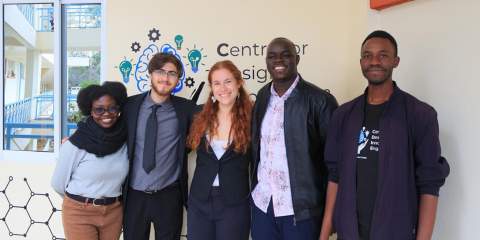
As a Social Policy Analysis and Global Affairs major, I (Sammi F., Chao ‘27) never expected to spend a summer designing maternal health devices in Kenya. Through the Rice360 Institute for Global Health Technologies, I traveled to Nairobi to help prototype low-cost devices targeting postpartum hemorrhage and pre-eclampsia. Here’s how stepping outside my academic comfort zone ended up teaching me one of the most valuable lessons of my college career.
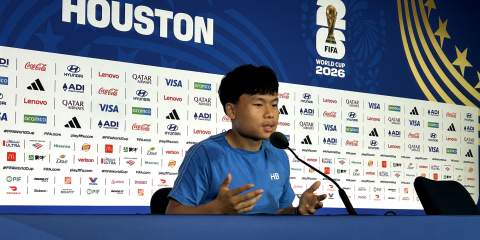
Growing up in a small village, I (Pu, Martel ‘29) vividly remember a dozen kids gathering around a tiny box television just to watch a soccer match. Our village didn’t have much, but for 90 minutes, none of that mattered. The FIFA World Cup is where dreams come true, communities unite and the entire planet speaks a single language: soccer. Looking back, it’s hard to believe that I went from watching the tournament on that tiny screen to playing a behind-the-scenes role in bringing these massive sporting events to billions of people across the globe. Here’s a look at what it’s really like to bring the game to life on the international stage!
Helpful Links
713-348-7423
admission@rice.edu
M-F 8:30 a.m. to 5 p.m. CT