
When you declare your major, that’s typically the end of the road — you’ve determined what to work toward for the next four years, and now you can focus on what you’re most interested in. But when I declared my major, I felt kind of stuck: I was also interested in environmental science and history, but I didn’t want to give up my mechanical engineering major.
Roots of Inspiration: From Washington to ArcGIS
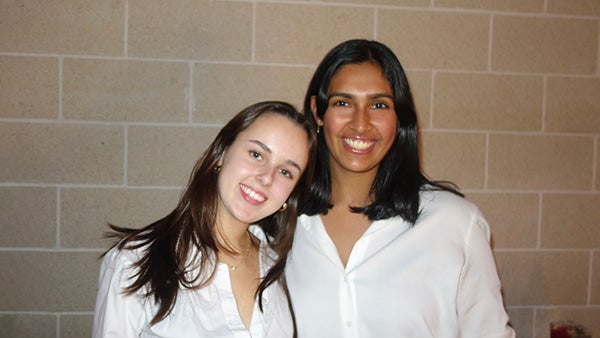
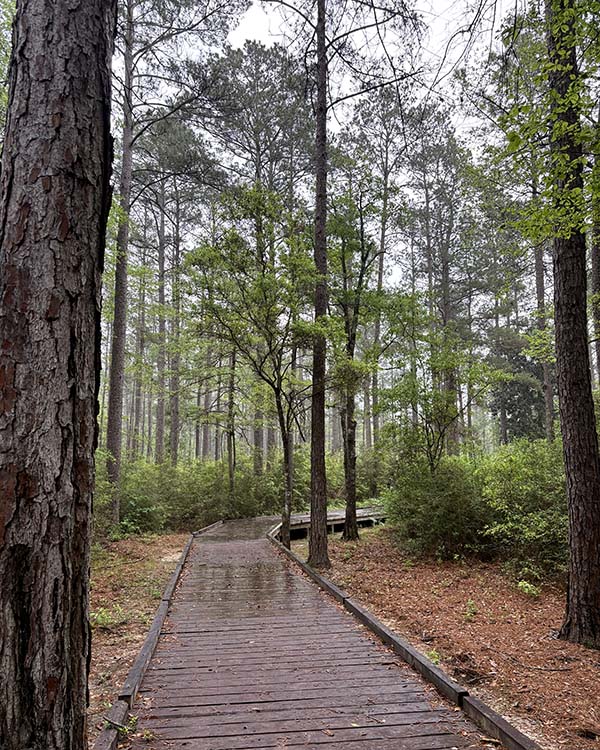
Growing up in Washington, I was surrounded by an environment I later became interested in studying. I spent summer mornings on ferries, had the mountains and ocean at my fingertips, and even went whale watching with my fifth grade class. At the same time, history became a huge part of my life through my history buff brother, who always had a new event or topic to bring to the dinner table. And in high school, my AP Environmental Science teacher introduced me to ArcGIS, a geospatial software used to analyze and visualize geographic data. Through interactive StoryMaps, I saw how environmental science, storytelling, and history might intersect in one narrative-based project.

Balancing the Lab and the Library
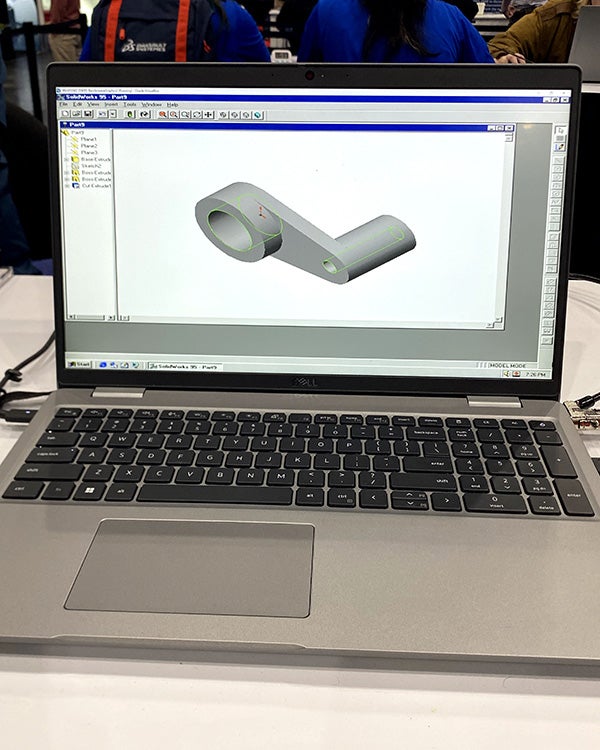
I thought it would be difficult to pursue all of my interests alongside mechanical engineering at Rice, but it ended up being surprisingly natural and incredibly rewarding. Alongside my work in a mechanical engineering lab focused on medical technology, I also took ENST 100 and ENST 320 this past semester — two environmental studies classes that focused more on literature and writing than traditional science. I even made an ArcGIS StoryMap as my final project!
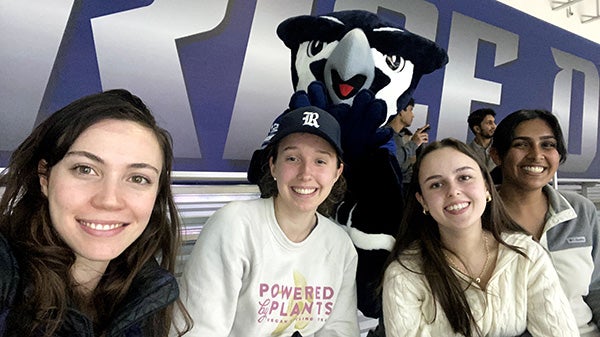
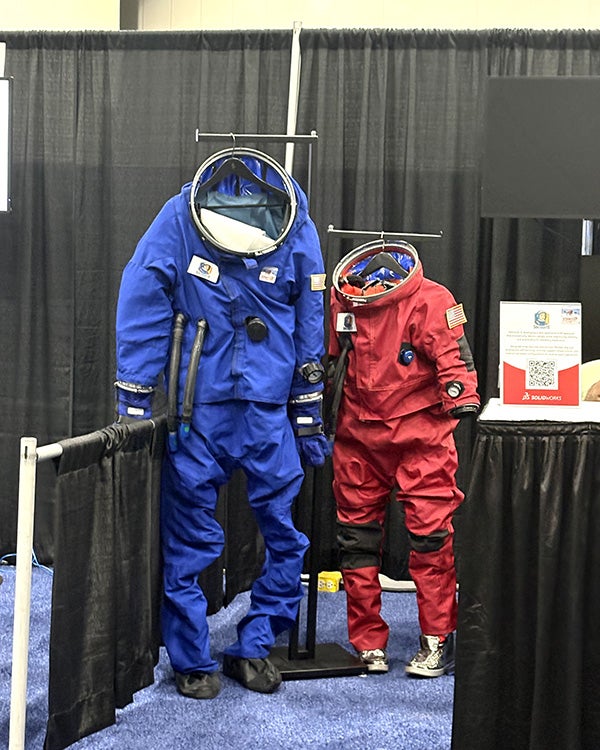
Outside of the classroom, I am a Student GIS Employee at the Fondren Library GIS/Data Center. My role allows me to continually learn about ArcGIS and contribute to ongoing projects at Rice in various departments and topics. I am also academically pursuing history through my history minor. Next semester, I’m taking a history class about 20th century US Presidents that I am very excited about!
Connecting the Dots
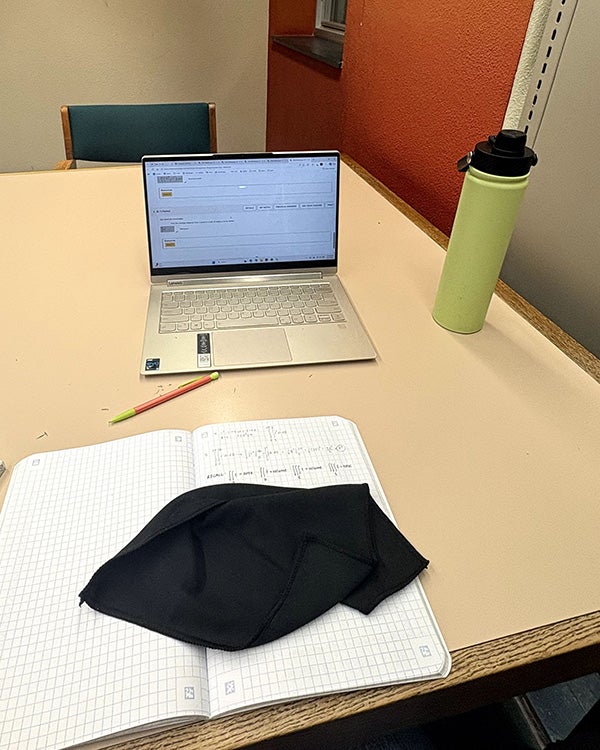
At Rice, I’ve learned my interests are more tightly intertwined than I ever thought. GIS can explain historical and environmental events, while history provides context for why certain events impact specific communities over others. And of course, there’s an environmental aspect to mechanical engineering in the form of sustainable materials, environmental design, and renewable energy.

My Advice to Incoming Students
Balancing my coursework with my external interests is challenging, but it’s also made my college experience more rewarding. I love that I’ve been able to build my education around the things I care most about! Incoming students, know this: You can choose everything! You might feel pressured to pick one thing and stick with it, but if you have an interest in something else, any related experience will be beneficial in the long run. In fact, pursuing multiple passions is not a distraction from your education — it can actually become one of the most valuable parts of it.
-Sanjana, McMurtry ‘29 (Published on 7/14/26)
Keep Exploring
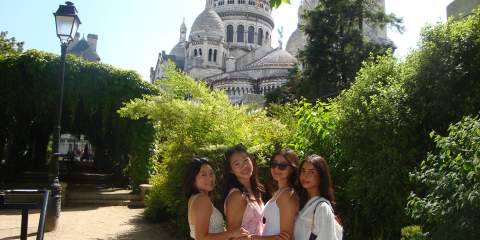
When I (Tamara L., Martel ‘29) was first considering studying abroad, the thought of moving across the globe felt exciting AND intimidating. The Rice in Paris program turned out to be a perfect three-week compromise, providing the support I needed to navigate a new culture while building lasting connections. Here’s how stepping out of my comfort zone changed my perspective on international learning.
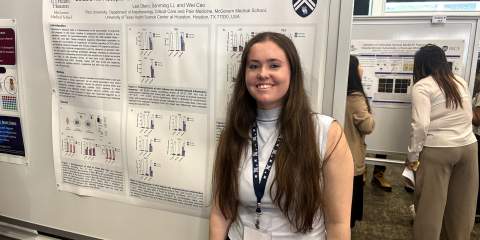
When I (Lexi O., Baker ‘28) was applying to college, I assumed getting involved in medical research was something that would take years to accomplish. But after my first year at Rice, that goal took shape sooner than expected. Here’s how I ended up working in an Alzheimer’s research lab in the Med Center.
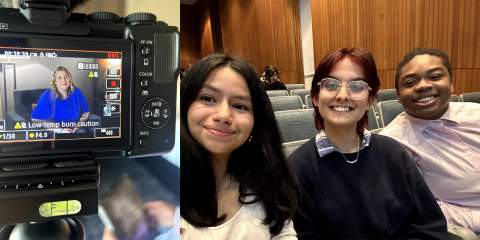
When I (Veronica Z., Will Rice ‘29) arrived at Rice as a Political Science and History student on a pre-law track, I expected a traditional path: student organizations, research and campus debates. However, taking a sociology course unexpectedly led me across the Texas Panhandle to investigate a potential wrongful conviction — and ultimately co-produce a documentary.
Helpful Links
713-348-7423
admission@rice.edu
M-F 8:30 a.m. to 5 p.m. CT