
Coming to Rice, I wanted more than just the typical pre-med experience. Labs and science-heavy classes were intriguing, but I didn’t want them to consume my schedule.
Being pre-med isn’t just about regurgitating the Krebs cycle — it’s about people. In the real world, good doctors don’t just spit out facts; they meet patients on their level, understanding unique circumstances and finding innovative solutions. It’s being able to communicate sympathy and assurance at the same time.
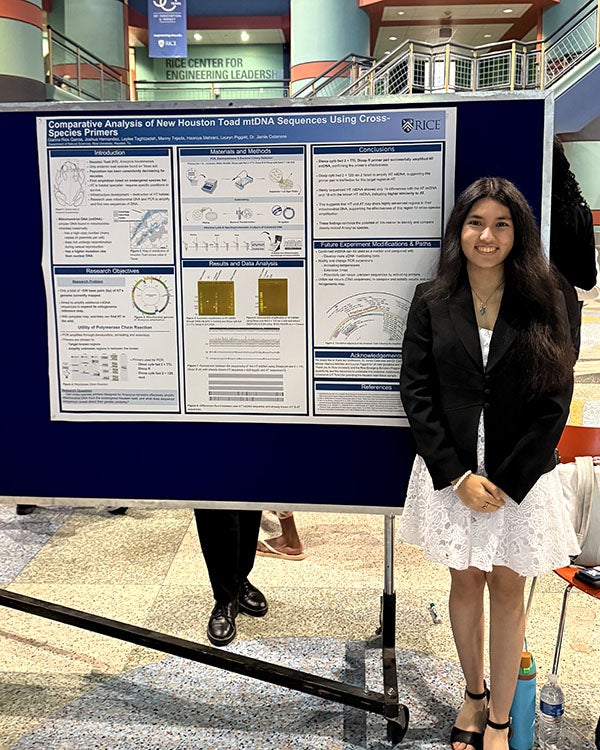
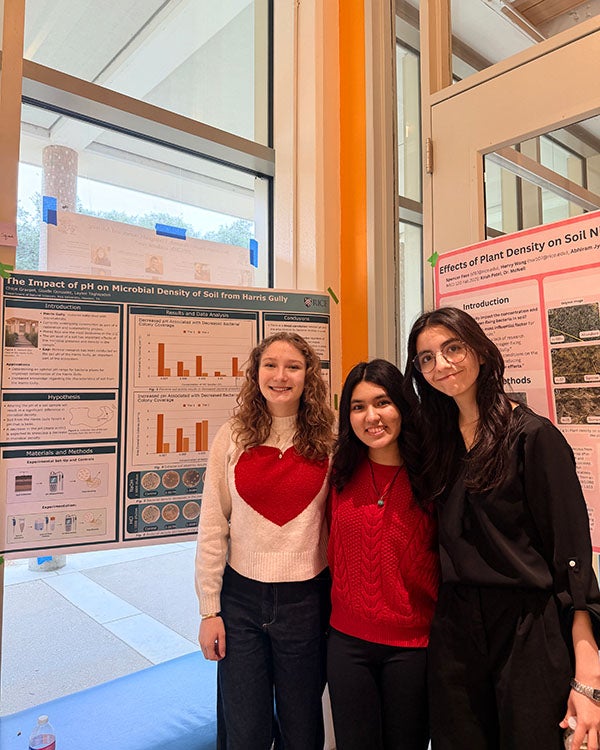
During O-Week, I realized I could combine prerequisites with classes that equip me to understand and communicate, increasing my awareness of the countless barriers to health in our communities. Through humanities classes like Medical Ethics, Health Psychology, and Current Healthcare Issues in Latine Communities, I am expanding my knowledge of how to break down the barriers the industry faces daily.
Rice gave me the opportunity to combine a Cell Biology and Genetics major with a minor in Medical Humanities while still allowing me to explore other health science classes as free electives. Through Rice’s distribution requirement, students can balance their STEM classes with other courses.
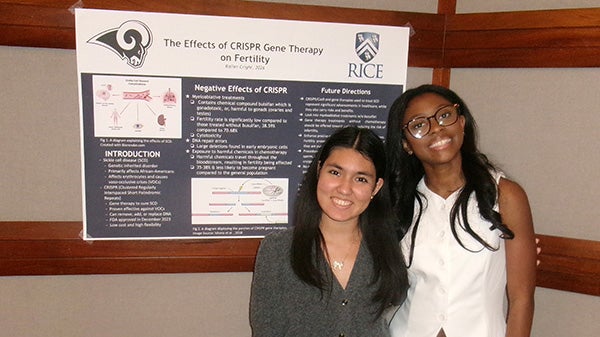
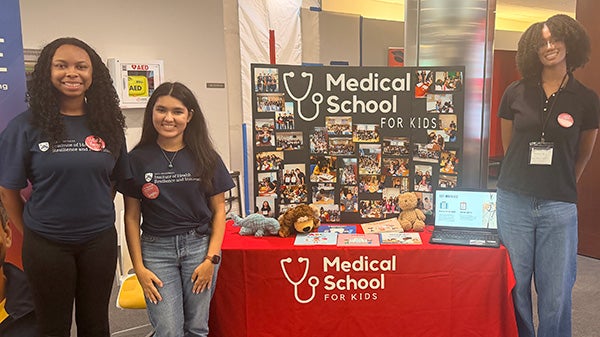
Additionally, the Center for Language and Intercultural Communication (CLIC) makes language learning accessible to any student. As a native Texan, I grew up seeing how tough it is to navigate language barriers in a medical setting, and so I chose to study Spanish to make the greatest impact in my community. CLIC’s advanced language classes are targeted toward career tracks; for students interested in healthcare, two classes focus on vocabulary and medical terminology. There’s also a translator internship opportunity at an underserved clinic near campus. Rice also offers study abroad programs through its language classes, which are designed to immerse students in the culture of the language they are studying.
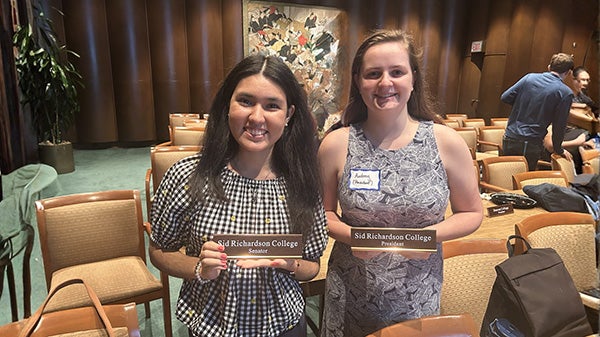
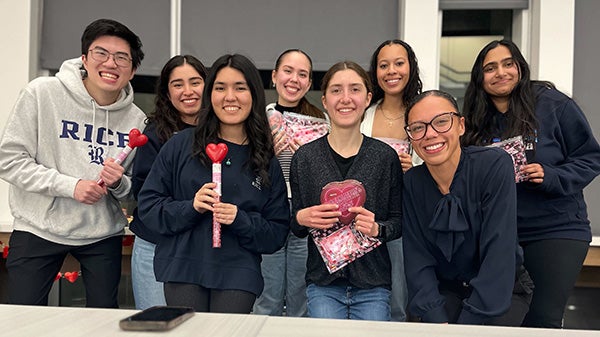
Outside of academics, Rice’s emphasis on exploration is unmatched through its externship program, where students are paired with Rice alumni or parents in fields of interest. It’s common for students to double or triple major across disciplines or fields of study, given the flexibility of degree requirements and overlap between majors. This exploration helps students leave Rice better prepared for their careers and better able to understand and appreciate our diverse society.
-Laylee, Sid Rich ‘29 (Published on 5/5/26)
Keep Exploring
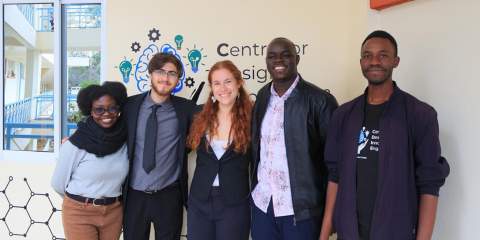
As a Social Policy Analysis and Global Affairs major, I (Sammi F., Chao ‘27) never expected to spend a summer designing maternal health devices in Kenya. Through the Rice360 Institute for Global Health Technologies, I traveled to Nairobi to help prototype low-cost devices targeting postpartum hemorrhage and pre-eclampsia. Here’s how stepping outside my academic comfort zone ended up teaching me one of the most valuable lessons of my college career.
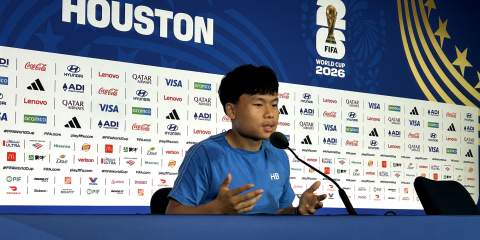
Growing up in a small village, I (Pu, Martel ‘29) vividly remember a dozen kids gathering around a tiny box television just to watch a soccer match. Our village didn’t have much, but for 90 minutes, none of that mattered. The FIFA World Cup is where dreams come true, communities unite and the entire planet speaks a single language: soccer. Looking back, it’s hard to believe that I went from watching the tournament on that tiny screen to playing a behind-the-scenes role in bringing these massive sporting events to billions of people across the globe. Here’s a look at what it’s really like to bring the game to life on the international stage!
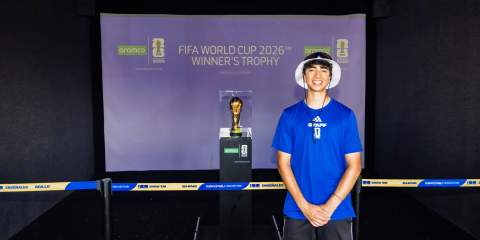
Working on a major global event is a common goal for anyone interested in the sports industry, but at Rice, these opportunities can often start earlier than expected. I’m Jacob L., Hanszen '27, and over the past year, I worked with the Houston Host City Committee to prepare for the 2026 FIFA World Cup. Here’s a look at my experience and the lessons I learned while helping to lay the groundwork for the tournament.
Helpful Links
713-348-7423
admission@rice.edu
M-F 8:30 a.m. to 5 p.m. CT