
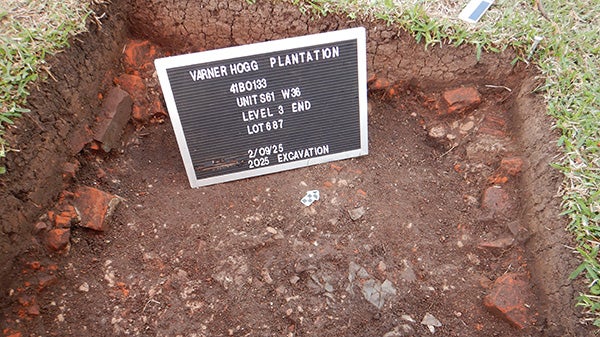
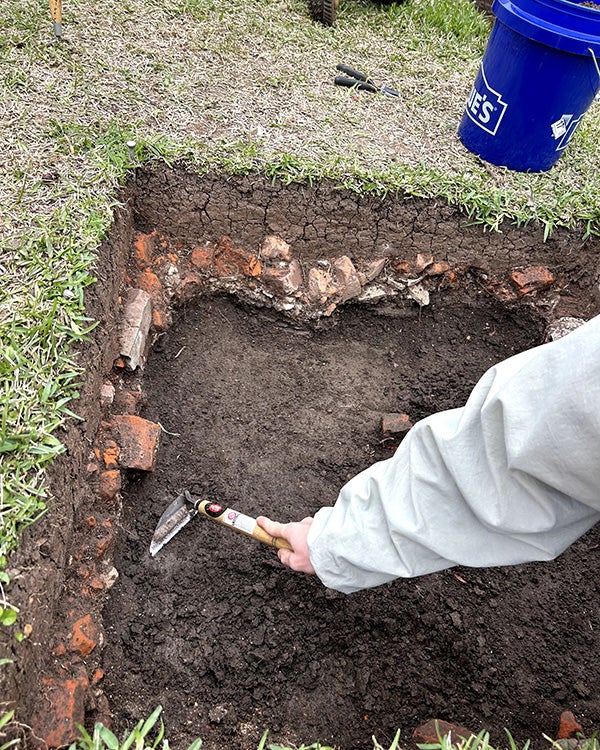
If you had asked me a year earlier where I would spend spring weekends during my junior year, working on an archeological site wouldn’t have made the list. But by mid-February, I was knee deep in an excavation unit. A pile of broken glass pieces, rusted nails, and burnt pieces of charcoal sat beside my trowel, waiting to be sorted. With each scoop of dirt, I was uncovering history.
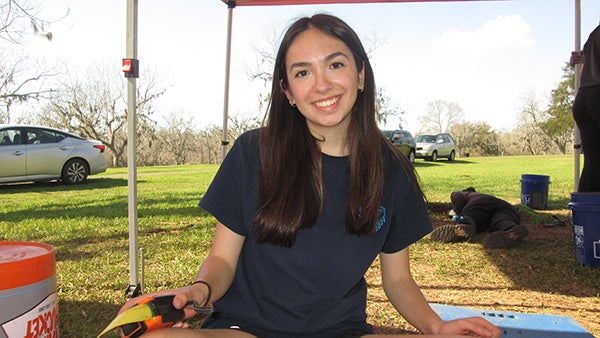
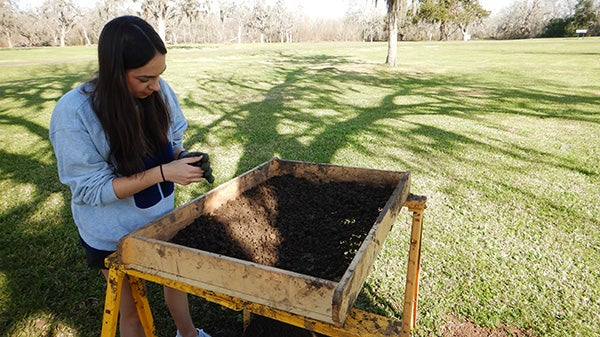
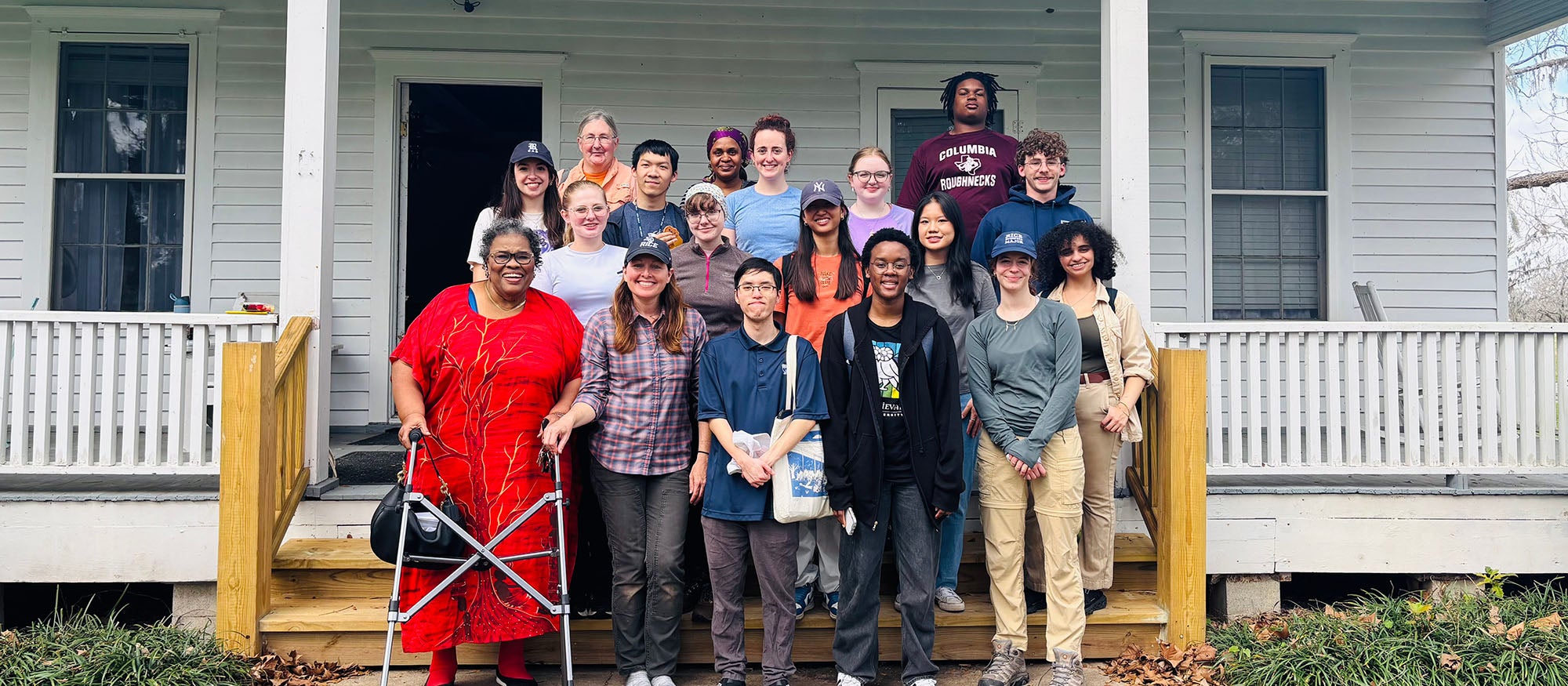
I took ANTH 362: Archaeological Field Techniques in the spring of 2025 under the supervision of Dr. Molly Morgan from the Department of Anthropology. We were excavating the historic Varner-Hogg Plantation in Brazoria County, Texas. Enslaved people had once occupied this portion of the plantation, but the structure’s exact use was unclear. Our goal was to learn more about the building and the captive laborers who once lived on the plantation.
While this was a noble goal, our project held an even deeper weight. Many descendants of the enslaved at Varner-Hogg Plantation still lived in the area. For them, archaeology wasn’t just an academic project — it was a way to learn about their ancestry.
While I had learned about the societal importance of archaeology, working in the field solidified how much impact archaeology can have. Through this class, I was able to retell the story of a once voiceless group and create a more nuanced view of a site that had seen so much violence. While this seemed reserved for professionals, there I was as an undergraduate taking part in this important mission.
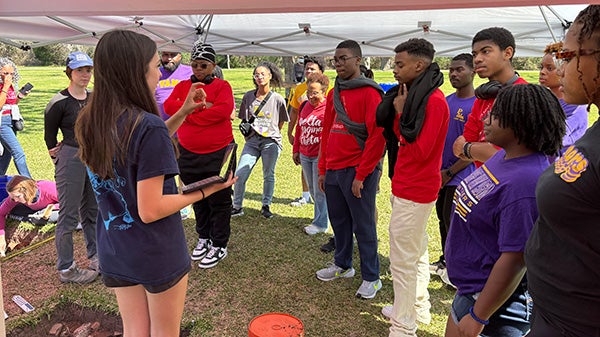
Although I do not plan to pursue a career in archaeology, this experience gave me invaluable experience and important skills. Archaeology combines scientific analysis with tangible societal impact. Seeing raw data (How many artifacts? What kind? Where were they produced?) transformed into meaningful conclusions about past people is an amazing thing to take part in. These analytical skills carry over into all of my other classes. Additionally, working in the field is hard work. It requires discipline, passion, and attention to detail. These skills have translated into so many other aspects of my life, from my future career as a lawyer to my student organization leadership.
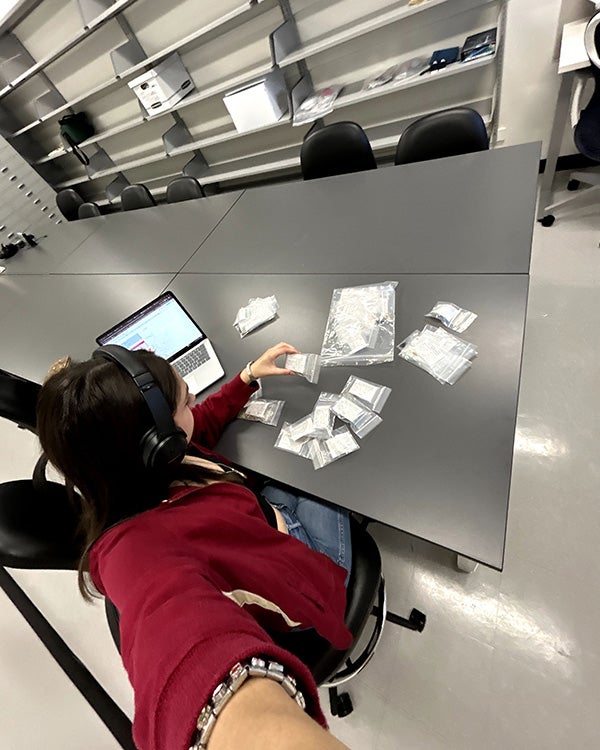
I strongly encourage every undergraduate student to take at least one archaeology class. History is not simply found; it takes the work of archaeologists analyzing artifacts, interviewing people, and reviewing research to understand what happened in the past. Archaeology classes take a critical look at the process of history-making. Who tells the story? What facts get left out of our narratives? I am a better student, leader, and person for embracing these questions.
-Isabella, Hanszen '26 (Published on 3/24/2026)
Keep Exploring
When I (Veronica Z., Will Rice ‘29) arrived at Rice as a Political Science and History student on a pre-law track, I expected a traditional path: student organizations, research and campus debates. However, taking a sociology course unexpectedly led me across the Texas Panhandle to investigate a potential wrongful conviction — and ultimately co-produce a documentary.
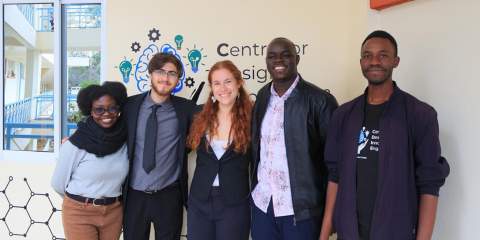
As a Social Policy Analysis and Global Affairs major, I (Sammi F., Chao ‘27) never expected to spend a summer designing maternal health devices in Kenya. Through the Rice360 Institute for Global Health Technologies, I traveled to Nairobi to help prototype low-cost devices targeting postpartum hemorrhage and pre-eclampsia. Here’s how stepping outside my academic comfort zone ended up teaching me one of the most valuable lessons of my college career.

Growing up in a small village, I (Pu, Martel ‘29) vividly remember a dozen kids gathering around a tiny box television just to watch a soccer match. Our village didn’t have much, but for 90 minutes, none of that mattered. The FIFA World Cup is where dreams come true, communities unite and the entire planet speaks a single language: soccer. Looking back, it’s hard to believe that I went from watching the tournament on that tiny screen to playing a behind-the-scenes role in bringing these massive sporting events to billions of people across the globe. Here’s a look at what it’s really like to bring the game to life on the international stage!
Helpful Links
713-348-7423
admission@rice.edu
M-F 8:30 a.m. to 5 p.m. CT